The most common signs you need a dentist include new tooth sensitivity, gums that bleed often, bad breath that does not improve, ongoing tooth pain, jaw discomfort, visible changes in a tooth, and mouth sores or swelling that do not heal. These symptoms do not always mean you have a serious condition. However, they show that something has changed. A professional checkup can identify the cause before a small concern becomes more painful, more difficult to treat, or more disruptive to daily life.
Many dental problems develop quietly. A cavity may not hurt at first. Early gum disease may cause only mild bleeding. A damaged filling may feel slightly rough before it breaks. Therefore, waiting for severe pain is not the safest way to judge your oral health. The American Dental Association explains that regular checkups can help prevent problems and address existing symptoms before they become more advanced.
At Bennett Family Dental, we provide preventive and general dental care for individuals and families in Westlake, Ohio. Our approach focuses on routine exams, professional cleanings, early detection, and personalized treatment. We want patients to understand what is happening in their mouths and feel confident about the next step. Our general dentistry services in Westlake, OH help protect long-term oral health while addressing new concerns as early as possible.
1. Why Early Dental Symptoms Deserve Attention
Your teeth and gums handle pressure every day. They help you chew, speak, smile, and maintain a comfortable bite. As a result, small changes can affect more than appearance. A sensitive tooth may change what you eat. Sore gums may make brushing unpleasant. Jaw tension may interrupt sleep. Persistent bad breath may also affect confidence at work or in social settings.
Early care often gives your dentist more options. A small area of decay may need a simple restoration. However, deeper decay may require more involved treatment. Likewise, mild gum inflammation may improve with professional cleaning and better home care, while advanced gum disease can affect the structures that support the teeth.
The following concerns are among the most important signs you need a dentist:
- Sensitivity to hot, cold, sweet, or acidic foods
- Gums that bleed, swell, or feel tender
- Bad breath or a bad taste that keeps returning
- Tooth pain, pressure, or discomfort when chewing
- Jaw pain, clicking, stiffness, or morning soreness
- New spots, cracks, chips, wear, or color changes
- Mouth sores, lumps, or swelling that do not improve
One brief symptom may not be an emergency. Still, repeated or worsening symptoms deserve attention. Note when the issue started, what triggers it, and whether it is becoming more frequent.
2. 7 Signs You Should Schedule a Dental Checkup
2.1. New or Increasing Tooth Sensitivity
A quick twinge after eating ice cream or drinking hot coffee may seem minor. Yet sensitivity can come from several sources. These may include worn enamel, gum recession, decay, a cracked tooth, a worn filling, or an exposed tooth root. The ADA notes that hot or cold sensitivity can have several causes and that treatment depends on the source.
For Westlake residents, sensitivity may feel especially noticeable during cold Northeast Ohio weather. Breathing in cold air during a winter walk or drinking a hot beverage after being outside can trigger a sharp response. During summer, iced drinks may create the same problem.
Schedule an evaluation when:
- Sensitivity starts suddenly
- One tooth reacts more strongly than the others
- The sensation lingers after the trigger is gone
- Biting or chewing causes a sharp feeling
- The problem becomes more frequent
Sensitive toothpaste may help some people, but it cannot diagnose the cause. A dental exam can show whether the tooth needs preventive support, a filling, repair of an older restoration, gum care, or another solution.
2.2. Gums That Bleed, Swell, or Feel Tender
Occasional bleeding may happen if you floss too aggressively or return to flossing after a long break. However, gums that bleed regularly should not be treated as normal. Bleeding, redness, swelling, and tenderness can point to gingivitis, the early stage of gum disease. The ADA recommends discussing repeated gum bleeding with a dentist.
Gum disease can be easy to miss because it often causes little pain in its early stages. Meanwhile, plaque and tartar may continue irritating the gumline. Over time, the gums may pull away from the teeth and create deeper spaces where bacteria collect.
Watch for:
- Blood on your toothbrush or floss
- Puffy, red, or tender gums
- Gums that appear to be receding
- A tooth that looks longer than before
- Pus, swelling, or a persistent bad taste
Professional cleanings remove hardened buildup that home brushing cannot remove. Bennett Family Dental’s preventative dentistry services include exams, cleanings, gum evaluations, and early detection.
2.3. Persistent Bad Breath or a Bad Taste
Bad breath after eating garlic or drinking coffee is usually temporary. However, breath that stays unpleasant despite brushing, flossing, tongue cleaning, and drinking water may point to an oral health issue. Possible causes include plaque buildup, gum inflammation, tooth decay, dry mouth, trapped food, or infection.
A recurring bad taste also deserves attention. Some patients describe it as metallic, sour, bitter, or simply “off.” If it seems to come from one area, it may be linked to a tooth, the gums, or dental work.
Before your appointment, note whether the problem:
- Appears at a certain time of day
- Comes with dry mouth
- Occurs near a crown, bridge, implant, or denture
- Comes with bleeding, tooth pain, or swelling
Do not rely only on mints or mouthwash. They may cover the odor briefly, but they do not correct the source. A dentist can examine your teeth, gums, tongue, and restorations. If your mouth appears healthy, the dentist may suggest discussing other causes with your physician.
2.4. Tooth Pain, Pressure, or Discomfort When Chewing
Pain is one of the clearest signs you need a dentist, but it does not always feel severe. It may begin as a dull ache, brief pressure, or discomfort when biting into firm food. Some people feel pain only at night. Others notice that one tooth feels different when the upper and lower teeth meet.
Possible causes include decay, a crack, an irritated nerve, a loose filling, infection, or bite-related stress. Food trapped between teeth may also inflame the nearby gum.
Contact a dental office promptly when:
- Pain continues for more than a day or two
- It wakes you at night
- A tooth hurts when you release your bite
- Discomfort spreads toward the ear, jaw, or face
- You notice swelling, fever, drainage, or a bad taste
Severe pain, facial swelling, fever, trouble swallowing, or difficulty breathing may require urgent attention. Call a dentist right away. If swelling affects breathing or swallowing, seek emergency medical care.
2.5. Jaw Pain, Clicking, Stiffness, or Morning Soreness
Jaw discomfort can affect eating, speaking, yawning, and sleep. You may notice clicking near the ear, stiffness when opening your mouth, or sore jaw muscles in the morning. You may also develop headaches or feel that your bite has changed.
The ADA recommends making a dental appointment when the jaw becomes painful during opening, closing, chewing, or after waking. An uneven bite also deserves evaluation.
Jaw symptoms may relate to teeth grinding, clenching, bite problems, stress, worn teeth, or irritation of the jaw joints and nearby muscles. In some cases, a damaged tooth can also refer pain toward the jaw.
How to Track Jaw Symptoms Before Your Checkup
For several days, write down:
- When the discomfort begins
- Whether the jaw clicks, locks, or feels limited
- Which foods make symptoms worse
- Whether you wake with headaches or jaw fatigue
- Whether stress appears to increase clenching
Avoid very hard or chewy foods while the area feels sore. However, do not assume the problem is gone because the pain comes and goes. Bennett Family Dental lists TMD treatment among its general dentistry procedures.
2.6. Changes in the Color, Shape, or Surface of a Tooth
You see your smile every day, so you may be the first person to notice a change. A new dark spot, white patch, crack line, chip, rough edge, or worn area can signal a problem. A tooth that turns gray or darker than nearby teeth also needs evaluation, especially after an injury.
Not every change is decay. Foods, beverages, tobacco, aging, and medication can affect tooth color. Natural grooves may also look dark. Nevertheless, a dentist should examine changes that are new, growing, isolated, or paired with discomfort.
Look for:
- Brown, black, or chalky white areas
- A crack or chip that catches your tongue
- A filling that looks broken or feels rough
- Flattened biting surfaces
- A tooth that appears shorter, loose, or shifted
- New spaces where food becomes trapped
Avoid trying to scrape, file, bleach, or repair the tooth at home. Instead, take a clear photo and schedule an exam. Dental X-rays may reveal decay or damage that is not visible during a visual examination.
2.7. A Mouth Sore, Lump, or Swelling That Does Not Heal
A cheek bite, sharp food edge, orthodontic appliance, or hot meal can irritate soft tissue. Many small sores improve on their own. Still, the ADA advises having a dentist examine a mouth sore that remains for a week or longer. Check your lips, cheeks, tongue, gums, roof of the mouth, and the area beneath the tongue. Contact a dentist when you notice:
- A sore that does not heal
- A red or white patch
- A firm lump or thickened area
- Unexplained bleeding or numbness
- Swelling near a tooth or along the jaw
- Difficulty moving the tongue or opening the mouth
These changes can have many causes, including irritation, infection, a damaged tooth, or a poorly fitting appliance. Most will not be cancer. Even so, an examination matters because dentists may notice oral changes that patients cannot easily see. Bennett Family Dental includes oral cancer screenings within its general dentistry services.

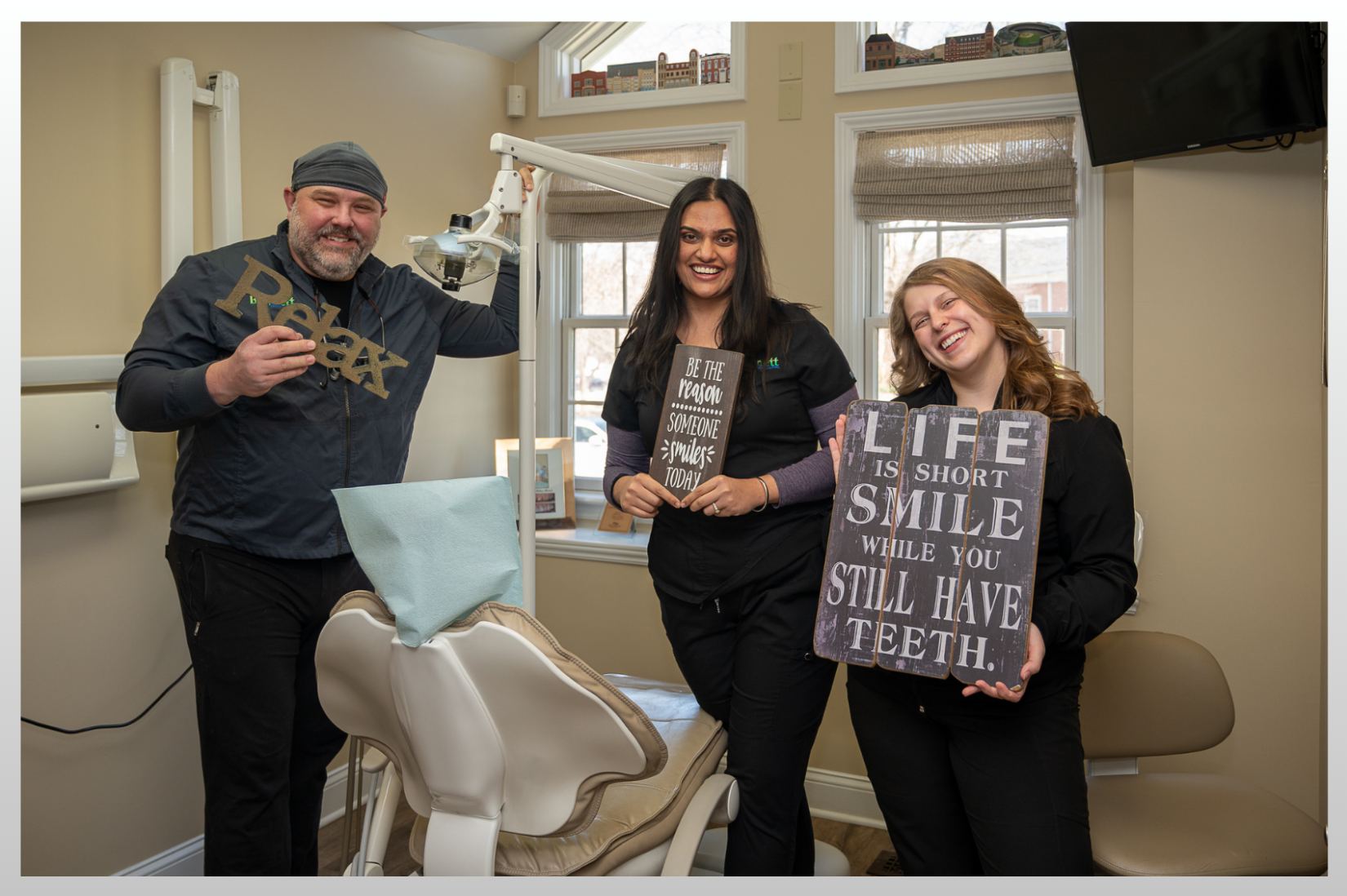
Treating Your Family Like Our Family
Bay Village & Westlake's Most Trusted Dental Team
At Bennett Family Dental, proactive care is the foundation for lifelong oral health. From your child's first visit to complete family dentistry — we treat every patient like one of our own.
3. Step by Step: What to Do If You Notice These Warning Signs
If you notice tooth sensitivity, bleeding gums, persistent bad breath, jaw discomfort, or visible tooth changes, take action early. These symptoms may seem minor, but they can point to developing dental problems. Following a clear process helps protect your comfort, prevent complications, and prepare you for a productive dental visit.
- Record Your Symptoms: Write down when the problem started, how often it occurs, and what makes it better or worse. Note whether hot drinks, cold foods, chewing, brushing, or waking in the morning triggers the discomfort. These details can help your dentist identify possible causes and recommend the right evaluation.
- Check for Visible Changes: Use a mirror and good lighting to look for swelling, redness, bleeding, dark spots, cracks, chips, sores, or changes in tooth color. Do not touch, scrape, or attempt to repair the affected area. Instead, take a clear photo so you can track any changes before your appointment.
- Avoid Making the Problem Worse: Temporarily avoid very hot, cold, sticky, sugary, or hard foods if they increase your symptoms. Continue brushing gently with a soft-bristled toothbrush and floss carefully. Do not stop cleaning the area unless your dentist advises otherwise, because plaque buildup may increase inflammation.
- Contact Your Dentist Promptly: Call Bennett Family Dental and explain your symptoms clearly. Mention any pain, swelling, fever, dental injury, or difficulty chewing. The dental team can determine how quickly you should be seen and provide instructions for managing discomfort until your appointment.
- Seek Urgent Help When Necessary: Severe tooth pain, facial swelling, uncontrolled bleeding, fever, or a knocked-out tooth requires prompt dental attention. If swelling affects your breathing or swallowing, seek emergency medical care immediately rather than waiting for a routine dental appointment.
Do not wait for mild symptoms to become painful emergencies. Contact Bennett Family Dental today to schedule a professional evaluation in Westlake, OH, and protect your smile with timely care.
4. What Happens During a Dental Checkup?
A checkup is not only a search for cavities. It gives your dental team a broader view of your teeth, gums, bite, jaw function, and soft tissues. Based on your needs, a visit may include:
- A review of your health history and medications
- A discussion of pain, sensitivity, or bleeding
- An examination of each tooth and existing dental work
- A gum health evaluation
- A bite and jaw assessment
- An oral cancer screening
- X-rays when clinically appropriate
- A professional cleaning
- A review of findings and treatment priorities
For new patients, Bennett Family Dental explains that an initial appointment may include a comprehensive exam, digital X-rays when needed, a gum evaluation, a cleaning in most cases, and a personalized treatment discussion.
Bring a medication list and explain recent health changes. Also, tell the team if dental visits make you anxious. Clear communication helps the team adapt the visit and explain each step.
5. How to Decide Whether a Dental Problem Is Urgent
Not every symptom requires emergency care. However, call a dentist promptly for significant pain, facial or gum swelling, a broken tooth, a lost restoration, drainage, fever, a loose adult tooth, uncontrolled bleeding, or a dental injury. Seek emergency medical care when swelling makes breathing or swallowing difficult, facial trauma may involve broken bones, or bleeding will not stop.
For milder symptoms, schedule the earliest practical appointment and describe what you are experiencing. The office can help determine the appropriate timing. When you are unsure, it is safer to call than to guess.
6. Cost of Delaying Dental Care vs Preventive Treatment
Dental Situation | Typical Treatment | Relative Cost |
Early cavity | Small filling | Low |
Moderate decay | Crown | Moderate |
Deep infection | Root canal + crown | High |
Untreated infection | Extraction + replacement | Very High |
Routine cleaning | Preventive care | Lowest |
Preventive dental visits are almost always more affordable than restorative procedures.
7. How Bennett Family Dental Helps Westlake Families Stay Ahead of Dental Problems
At Bennett Family Dental, we believe that the best way to maintain a healthy smile is to prevent problems before they become serious. Our team provides comprehensive dental checkups designed to detect cavities, gum disease, enamel wear, oral infections, and other concerns in their earliest stages. Using modern diagnostic technology and a patient-centered approach, we carefully evaluate every aspect of your oral health during each visit. This proactive care helps patients avoid unnecessary discomfort, preserve their natural teeth, and reduce the likelihood of needing more extensive dental procedures in the future.
We proudly serve individuals and families throughout Westlake, OH, with personalized preventive dental care tailored to every stage of life. Whether you’re bringing your child in for a routine exam, maintaining your own oral health, or helping an older family member care for aging teeth, our experienced team creates customized treatment plans based on your unique needs. We also take the time to educate patients about proper brushing, flossing, nutrition, and daily oral hygiene habits, empowering them to make informed decisions that support long-term dental health between appointments.
If you’ve noticed any of the early signs you need a dentist, such as tooth sensitivity, bleeding gums, persistent bad breath, or discomfort while chewing, don’t wait for the problem to worsen. At Bennett Family Dental, we focus on early diagnosis, preventive treatment, and compassionate care to help you maintain a healthy, confident smile for years to come. Whether you’re due for a routine dental checkup or experiencing new oral health concerns, our dedicated team is here to provide trusted dental care for the Westlake community and help you stay one step ahead of future dental problems.
Conclusion
Your mouth often gives you early warning signs before a minor dental issue turns into a serious problem. Symptoms such as tooth sensitivity, bleeding gums, persistent bad breath, jaw discomfort, or visible changes in your teeth should never be ignored. Recognizing these signs you need a dentist and scheduling a dental checkup as soon as possible can help prevent more extensive treatments, reduce long-term costs, and protect your overall oral health. Regular preventive visits are one of the most effective ways to keep your smile healthy and address potential concerns before they become dental emergencies.
At Bennett Family Dental, we’re committed to helping patients and families throughout Westlake, OH, enjoy healthier smiles through personalized, preventive dental care. Our experienced team provides thorough examinations, professional cleanings, and customized treatment plans to ensure your oral health stays on the right track. Whether you’re experiencing one of the warning signs discussed in this guide or it’s simply time for your routine checkup, we’re here to help. Contact Bennett Family Dental today to schedule your appointment and take the first step toward protecting your smile for years to come.

Dr. James Bennett, DDS, is a second-generation dentist and owner with over 20 years of experience in family, cosmetic, and restorative dentistry. A U.S. Army veteran and current leader in the Ohio Army National Guard, he combines clinical expertise with a patient-first approach focused on delivering immediate, high-quality results.