Keeping your teeth healthy year-round requires consistent brushing, daily flossing, smart food choices, regular hydration, limited sugar, tobacco avoidance, and professional preventive care. These healthy teeth tips help remove plaque, protect enamel, support healthy gums, and reduce the risk of cavities. Small actions repeated every day can make a meaningful difference over time.
Dental problems rarely appear overnight. Plaque collects throughout the day. Sugary snacks repeatedly expose teeth to acids. In addition, skipped brushing sessions allow bacteria to remain around the gumline. One missed day may not cause a cavity, but an inconsistent routine can gradually increase the risk of decay, gum inflammation, bad breath, and enamel wear.
At Bennett Family Dental, we help individuals and families protect their smiles through personalized general dentistry in Westlake, OH. Our services include routine examinations, professional cleanings, early detection, fillings, sealants, TMD treatment, and other solutions that support long-term oral health. We combine preventive care with practical guidance that patients can follow at home.
1. 10 Daily Habits That Keep Your Teeth Healthy Year-Round
1.1. Brush Twice a Day for Two Minutes
Brush once in the morning and again before bed. Nighttime brushing is especially important because it removes food debris and plaque that accumulated throughout the day. Use fluoride toothpaste and a toothbrush that fits comfortably in your mouth. Fluoride helps strengthen enamel and makes teeth more resistant to decay. Brush for about two minutes so you have enough time to clean the front, back, and chewing surfaces of every tooth.
Divide your mouth into four sections. Spend about 30 seconds in each area. This method makes it less likely that you will rush through the back teeth or repeatedly clean only the easy-to-reach front surfaces.
Parents should supervise young children until they can brush thoroughly without help. A timer, song, or brushing app can make the process easier and more consistent.
1.2. Use a Gentle Brushing Technique
Brushing harder does not clean teeth better. In fact, aggressive brushing may irritate the gums and contribute to sensitivity or wear over time.
Choose a soft-bristled toothbrush unless your dentist recommends another option. Hold it at a slight angle toward the gumline. Then, use gentle circular or short back-and-forth motions. Clean every surface without pressing so firmly that the bristles flatten against the teeth.
Pay close attention to areas people often miss:
- Behind the lower front teeth
- Along the gumline
- The outer surfaces of back molars
- The inside surfaces facing the tongue
- Around crowns, bridges, retainers, or braces
Replace your toothbrush or electric brush head when the bristles become worn or spread apart. Worn bristles may not clean as effectively.
1.3. Clean Between Your Teeth Every Day
A toothbrush cannot fully reach the narrow spaces between teeth. Therefore, daily interdental cleaning is essential.
Traditional floss works well for many people. Slide it gently between two teeth, curve it around one tooth in a C shape, and move it carefully beneath the edge of the gum. Repeat the process on the neighboring tooth before moving to the next space.
Other options may include:
- Floss picks
- Interdental brushes
- Water flossers
- Threaders for bridges or braces
- Specialized tools recommended by a hygienist
The best product is one you can use safely and consistently. The ADA identifies daily cleaning between the teeth as a core part of an effective oral care routine.
Some bleeding may occur when a person begins flossing after a long break. However, repeated bleeding, swelling, or tenderness deserves professional attention.
1.4. Clean Your Tongue
Bacteria and food debris can collect on the tongue, particularly toward the back. This buildup may contribute to an unpleasant taste or bad breath. After brushing your teeth, gently brush your tongue from back to front. You may also use a tongue scraper. Apply light pressure because aggressive scraping can irritate delicate tissue.
Cleaning your tongue does not replace brushing or flossing. Instead, it completes the routine by cleaning another area where bacteria may collect.
Persistent bad breath can have several causes. If it continues despite regular brushing, flossing, tongue cleaning, and hydration, schedule a dental evaluation. Gum disease, tooth decay, dry mouth, damaged dental work, and other concerns may require treatment.
1.5. Drink Water Throughout the Day
Water helps rinse away loose food particles and supports the saliva your mouth needs. Saliva helps wash the teeth, neutralize acids, and keep oral tissues comfortable. Carry a refillable water bottle when commuting, working, attending school activities, or spending time outdoors in Westlake. Take regular sips instead of waiting until you feel very thirsty.
Water becomes particularly helpful after:
- Drinking coffee or tea
- Eating a snack
- Exercising
- Taking medications that make your mouth feel dry
- Consuming an acidic food or beverage
Water does not replace brushing. However, rinsing with water after eating can help reduce the amount of food and acid left in the mouth until you can clean your teeth. If you frequently experience dry mouth, discuss it with your dentist. Persistent dryness may increase oral health risks and may require personalized recommendations.
1.6. Reduce the Frequency of Sugary Foods and Drinks
Sugar feeds bacteria that produce acids. These acids attack tooth enamel and may eventually contribute to cavities. The total amount of sugar matters, but frequency matters as well. Sipping a sweet drink for several hours repeatedly exposes teeth to sugar. Likewise, eating small pieces of candy throughout the day may create more frequent acid attacks than enjoying a dessert with a meal.
Try these practical changes:
- Drink water instead of soda or sweetened tea.
- Keep sugary foods with meals rather than grazing.
- Avoid putting children to bed with milk, juice, or sweet drinks.
- Check labels for added sugar.
- Choose unsweetened snacks more often.
You do not need to eliminate every treat. Instead, reduce how often teeth face sugar and clean your mouth consistently afterward.
1.7. Choose Foods That Support Teeth and Gums
A balanced diet supports both oral and overall health. Build meals around vegetables, fruits, whole grains, dairy or other calcium-rich foods, and suitable sources of protein. Crisp fruits and vegetables can encourage chewing and saliva flow. Cheese, yogurt, and other nutrient-rich foods may also form part of a balanced eating plan. However, “natural” does not always mean harmless to teeth. Dried fruit can be sticky and high in sugar. Citrus fruit is nutritious but acidic. Sports drinks, flavored waters, and juices may also contain sugar or acid.
Therefore, consider the complete eating pattern rather than judging one food alone. Eat acidic or sweet items with meals, drink water afterward, and avoid constant snacking.
1.8. Protect Your Enamel From Frequent Acid Exposure
Enamel forms the hard outer layer of each tooth. It protects the more sensitive structures underneath, but repeated acid exposure can gradually weaken its surface. Common acidic items include soda, energy drinks, citrus beverages, sour candy, and some sports drinks. Frequent exposure may increase sensitivity or contribute to enamel wear.
To reduce exposure:
- Limit how often you drink acidic beverages.
- Avoid holding or swishing them around your teeth.
- Use water as your main drink.
- Rinse with water after consuming acidic items.
- Allow your mouth time to recover before brushing.
Do not use teeth to open packaging, crack nuts, cut fishing line, or hold hard objects. These actions can chip enamel or damage dental work.
1.9. Avoid Tobacco, Nicotine, and Damaging Oral Habits
Tobacco use can harm the mouth and increase the risk of serious oral health problems. The CDC advises adults not to use tobacco products and encourages people who smoke to quit.
Vaping and smokeless tobacco are not harmless alternatives for oral tissues. Discuss nicotine use openly with your dentist so the dental team can monitor your mouth and provide appropriate guidance.
Other habits can also damage teeth, including:
- Chewing ice
- Biting fingernails
- Chewing pens or pencils
- Grinding or clenching teeth
- Using teeth as tools
Teeth grinding may cause morning jaw soreness, headaches, worn surfaces, cracks, or sensitivity. Bennett Family Dental includes TMD treatment among its general dentistry services. A professional evaluation can determine whether your symptoms may relate to clenching, grinding, or another issue.
1.10. Keep Preventive Dental Visits on Your Calendar
Home care cannot remove every deposit or detect every developing problem. Plaque may harden into tartar in difficult areas, and early decay may develop without obvious pain. During a preventive visit, the dental team may examine your teeth, gums, bite, dental work, and soft tissues. Professional cleaning removes buildup from areas that are difficult to manage at home. Digital X-rays may also identify concerns that are not visible during a standard examination.
Bennett Family Dental explains that many patients benefit from preventive visits every six months, although some people need a different schedule based on individual risk and oral health needs.
Our preventative dentistry services in Westlake include dental exams, professional cleanings, gum evaluations, fluoride treatments, sealants, and early detection. These services complement your daily routine rather than replace it.
2. Step by Step: How to Build a Better Daily Dental Routine
Healthy routines work best when they feel simple, repeatable, and realistic for your household. Instead of changing everything at once, build your oral care plan in stages. The following process helps Westlake families choose useful tools, improve technique, reduce harmful habits, and stay consistent between dental visits throughout every season.
- Assess Your Current Routine: Track your brushing, flossing, snacks, drinks, and oral symptoms for one week. Identify the step you skip most often. Also note bleeding, sensitivity, bad breath, dry mouth, or jaw discomfort. This starting point helps you focus on a real need instead of buying products without a clear purpose.
- Prepare the Right Tools: Keep fluoride toothpaste, a soft toothbrush, floss, and any dentist-recommended tools in an easy-to-reach place. Family members may need different products based on age, braces, bridges, implants, or dexterity. Replace damaged or worn supplies so poor equipment does not weaken an otherwise consistent routine.
- Connect Care to Existing Habits: Brush after another reliable activity, such as getting dressed in the morning or preparing for bed. Keep floss visible instead of hidden in a drawer. Linking dental care to an established routine makes it easier to remember, even during busy school weeks, workdays, holidays, and travel.
- Improve One Habit at a Time: Start by reaching two full minutes of brushing. Then add daily interdental cleaning. Next, reduce frequent sweet drinks or nighttime snacks. Gradual changes often feel more manageable than rebuilding the entire routine at once. Record progress and involve children in choosing realistic household goals.
- Review Progress With Your Dentist: Bring questions about technique, products, sensitivity, bleeding, dry mouth, or nutrition to your next appointment. A dentist or hygienist can identify areas you regularly miss and suggest practical adjustments. Personalized guidance makes general healthy teeth tips more useful for your specific mouth.
Small changes become lasting habits when your family follows a clear plan. Contact Bennett Family Dental to schedule preventive care and receive guidance tailored to your smile in Westlake, OH.
3. When Should You Perform Each Oral Care Habit?
Timing can make your routine easier to maintain. Brush in the morning and before bed. Clean between your teeth once daily at a time when you will not rush. Many people prefer flossing during their nighttime routine, but consistency matters more than a specific hour. Drink water throughout the day, especially after meals, snacks, coffee, or acidic beverages. Limit sweet drinks to shorter periods rather than sipping them continuously.
Schedule a dental visit based on the timing your dentist recommends. Do not wait for the next routine appointment if you develop pain, swelling, a broken tooth, persistent bleeding, or another concerning change.

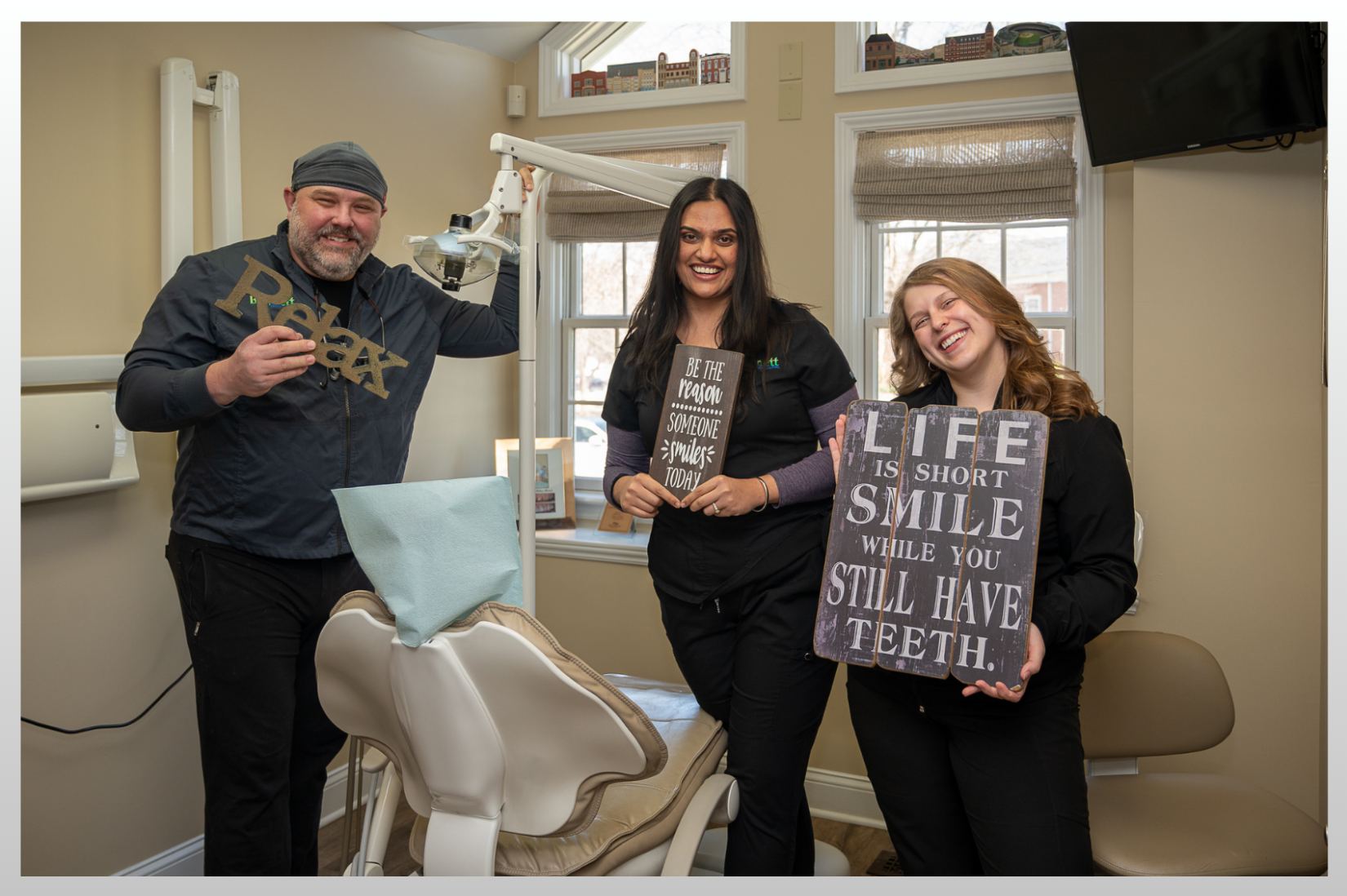
Treating Your Family Like Our Family
Bay Village & Westlake's Most Trusted Dental Team
At Bennett Family Dental, proactive care is the foundation for lifelong oral health. From your child's first visit to complete family dentistry — we treat every patient like one of our own.
4. Who Benefits Most From a Structured Dental Routine?
Everyone benefits, but some people may need more personalized care. This includes children learning to brush, teenagers with braces, adults with extensive restorations, pregnant patients, older adults, tobacco users, and people with dry mouth or chronic health conditions.
Bennett Family Dental provides family dentistry in Westlake, OH for patients at different stages of life. Services include dental exams, cleanings, digital X-rays, fluoride treatments, sealants, gum evaluations, and oral health education.
5. Expert Tips for Making Your Routine More Effective
General advice creates a strong starting point, but small technique changes can make daily care more effective. These expert-informed suggestions help you clean overlooked areas, protect enamel, manage busy schedules, and recognize when home care needs professional support. Use them to strengthen your routine without making it complicated or time-consuming.
- Use a Consistent Pattern: Start brushing in the same section each time and follow the same path around your mouth. A fixed pattern reduces the chance of missing teeth. Clean outer, inner, and chewing surfaces before brushing the tongue. Consistent order also helps children learn a complete process.
- Check Your Pressure: Look at your toothbrush after several weeks. Bristles that quickly spread outward may indicate excessive pressure. Hold the handle with a lighter grip and let the bristles do the cleaning. Ask your hygienist to demonstrate gentle positioning if you experience gum tenderness or sensitivity.
- Make Flossing Comfortable: Do not force floss into the gums. Guide it between teeth with a gentle motion, curve it around each tooth, and move it carefully along the side. Consider an interdental brush or water flosser when standard floss feels difficult, but ask your dental team about proper sizing and use.
- Watch for Changes: Pay attention to bleeding, swelling, sensitivity, bad breath, loose dental work, chips, sores, and changes in tooth color. Record when symptoms began and what triggers them. Contact your dentist when a concern continues, worsens, or interferes with eating, sleeping, brushing, or daily comfort.
- Personalize Your Products: Whitening toothpaste, strong mouthwash, and hard-bristled brushes do not suit every patient. Sensitivity, gum recession, dry mouth, braces, and dental restorations may require different products. Choose items based on professional recommendations rather than advertising claims or social media trends.
Better technique can improve the value of every brushing and flossing session. Schedule a visit with Bennett Family Dental for personalized recommendations that fit your age, needs, and daily routine.
6. Common Dental Care Mistakes to Avoid
Even people who brush every day can make mistakes that reduce the effectiveness of their routine.
Common errors include:
- Brushing for less than two minutes
- Using too much pressure
- Skipping the gumline and back molars
- Flossing only when food feels stuck
- Replacing water with sugary drinks
- Grazing on sweets throughout the day
- Ignoring bleeding gums
- Waiting for pain before visiting a dentist
- Using teeth to open packages
- Assuming mouthwash replaces brushing and flossing
Another mistake involves stopping oral care when gums bleed. Unless your dentist gives different instructions, continue cleaning gently and schedule an evaluation. Persistent bleeding may signal inflammation that requires professional attention.
7. Cost of Maintaining Healthy Teeth
Dental costs differ based on insurance, individual needs, frequency of visits, and required treatment. However, daily prevention usually requires a smaller ongoing investment than care for an advanced dental problem.
Preventive Item | Typical Cost Level | Primary Purpose |
Toothbrush and fluoride toothpaste | Low | Removes plaque and protects enamel |
Floss or interdental cleaners | Low | Cleans spaces between teeth |
Refillable water bottle | Low | Supports hydration and reduces sweet drinks |
Mouth guard, when recommended | Moderate | Helps protect teeth from injury or grinding |
Professional exams and cleanings | Varies | Removes buildup and detects concerns early |
Treatment for advanced decay or damage | Often higher | Repairs problems after they develop |
Ask Bennett Family Dental about recommended services, payment information, and insurance questions before treatment. The appropriate plan should reflect your oral health rather than a one-size-fits-all schedule.
8. How to Maintain Your Routine Year-Round
Daily habits often weaken during vacations, holidays, schedule changes, illness, or busy school and work periods. Prepare for these disruptions instead of expecting every week to look the same.
Keep backup supplies in a travel bag. Replace products before they run out. Add dental appointments to your calendar well in advance. Parents can also use visual charts or shared reminders to help children remain consistent.
Review your routine after major changes such as new braces, dental implants, crowns, medication, pregnancy, or reduced hand mobility. The tools that worked last year may not fully meet your current needs.
9. Choose Nutrient-Rich Foods for Healthier Teeth
What you eat can influence the strength of your teeth and the condition of your gums. A balanced diet supplies the minerals and vitamins your mouth needs while supporting saliva production, which helps rinse away food particles and reduce harmful acids.
- Milk, Cheese, and Yogurt: Dairy products provide calcium and phosphorus, two minerals that help maintain strong teeth. Cheese may also support enamel by helping balance acids in the mouth after eating.
- Lean Meats and Oily Fish: Chewing foods such as meat encourages saliva flow, which helps clear away food debris and neutralize acids. Fish such as salmon also provides phosphorus, a mineral that supports healthy tooth enamel. Tofu can be another useful source for plant-based diets.
- Leafy Green Vegetables: Spinach, kale, and similar vegetables contain calcium, folate, and vitamins that support strong teeth and healthy gum tissue. Adding greens to meals is a simple way to improve your overall nutrient intake.
10. Everyday Ways to Reduce Staining and Keep Your Smile Bright
Keeping teeth bright does not require removing every dark-colored food or drink from your diet. Instead, use practical habits that limit how long staining substances remain in contact with your teeth. Coffee, tea, dark sodas, and other highly pigmented beverages may gradually leave surface stains. After enjoying them, drink or rinse with water to help wash away some of the remaining color and residue.
When practical, use a straw for cold coffee, soft drinks, and other staining beverages. This may reduce direct contact with the front surfaces of your teeth.
Brush twice a day with fluoride toothpaste. A toothpaste designed to remove surface stains may be helpful, but it should remain gentle enough for regular use and suitable for your individual dental needs. Floss every day to remove plaque and food particles from between your teeth. These narrow spaces can develop discoloration when they are not cleaned consistently.
In addition, attend professional dental cleanings as recommended. A dental hygienist can remove plaque, tartar, and certain surface stains that brushing alone may not address.
11. Daily Prevention Compared With Inconsistent Care
Consistent Daily Care | Inconsistent Oral Care |
|---|---|
Removes plaque regularly | Allows plaque to remain longer |
Supports healthier gums | May increase gum irritation |
Limits repeated sugar exposure | Creates frequent acid attacks |
Helps identify changes early | Allows symptoms to go unnoticed |
Complements professional cleanings | Places greater pressure on occasional visits |
Builds predictable family routines | Leads to rushed or skipped care |
This comparison shows why simple habits often outperform occasional intensive cleaning. The most useful healthy teeth tips are the ones your family can realistically repeat every day.
12. Preserve Tooth Enamel for Long-Term Protection
Enamel is the hard outer covering that protects each tooth from decay, sensitivity, and everyday wear. Although it is the strongest substance in the body, repeated exposure to acids and aggressive habits can gradually weaken it. Enamel cannot naturally rebuild itself once significant erosion occurs, so prevention remains important.
Brush twice daily and floss every day to control plaque and reduce acid-producing bacteria. Use fluoride toothpaste because fluoride can help strengthen the tooth surface and improve its resistance to decay. A balanced diet also supports enamel health. Include foods that provide calcium, phosphorus, and other essential nutrients. At the same time, limit frequent exposure to soft drinks, sour candy, citrus beverages, and other highly acidic products. After consuming something acidic, rinse your mouth with water and avoid brushing immediately. Giving your saliva time to neutralize the acids can reduce the risk of brushing against a temporarily softened enamel surface.
Finally, keep up with routine dental examinations. Your dentist can identify early signs of enamel wear, discuss the possible cause, and recommend preventive options such as fluoride treatments or changes to your daily oral care routine.
Why Choose Bennett Family Dental for Preventive Care in Westlake, OH?
At Bennett Family Dental, we believe strong oral health starts with consistent prevention and clear patient education. Our team takes time to explain your dental health, answer questions, and provide practical guidance you can follow at home. Whether you need a routine cleaning, dental examination, or help improving your daily habits, we focus on making every visit comfortable, informative, and useful.
We provide personalized dental care for children, adults, and families throughout Westlake, OH. Every patient has different needs, so we do not rely on a one-size-fits-all approach. Instead, we consider your age, dental history, gum health, restorations, lifestyle, and risk factors before recommending care. This allows us to create a plan that supports healthier teeth and gums throughout every stage of life.
Choosing Bennett Family Dental also means having access to preventive, family, and general dentistry services in one trusted setting. Through professional cleanings, routine exams, digital imaging, gum evaluations, fluoride treatments, sealants, and early detection, we help patients address concerns before they become more complex. Contact Bennett Family Dental today to schedule your next appointment and take a proactive step toward a healthier smile.
Conclusion
Maintaining a healthy smile comes down to consistent daily care. Brushing twice a day, flossing, drinking water, limiting sugar, choosing tooth-friendly foods, and protecting enamel all support long-term oral health. These simple habits can help reduce the risk of cavities, gum disease, sensitivity, and other dental concerns while making it easier to keep your teeth strong throughout the year.
Professional care is just as important as your home routine. At Bennett Family Dental, we help individuals and families in Westlake, OH protect their smiles through preventive exams, cleanings, personalized guidance, and early detection. Contact Bennett Family Dental today to schedule your next visit and take the next step toward healthier teeth and gums.

Dr. James Bennett, DDS, is a second-generation dentist and owner with over 20 years of experience in family, cosmetic, and restorative dentistry. A U.S. Army veteran and current leader in the Ohio Army National Guard, he combines clinical expertise with a patient-first approach focused on delivering immediate, high-quality results.